
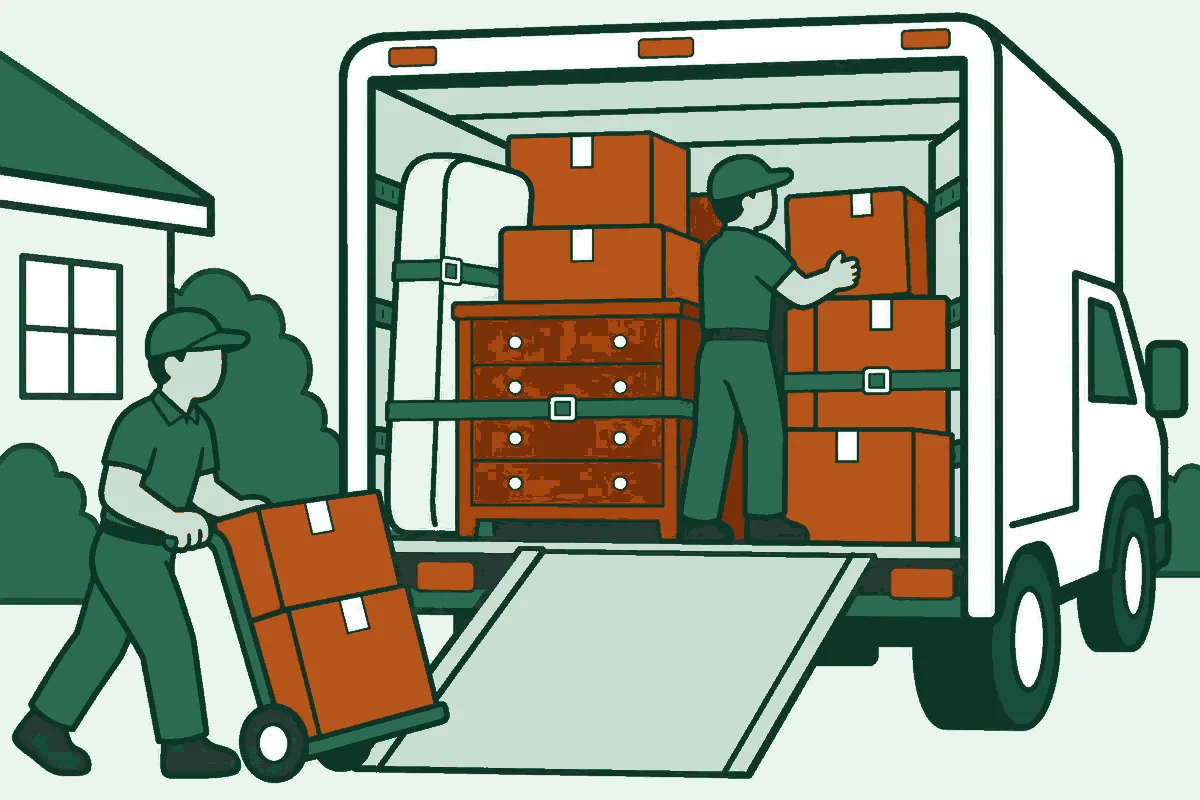
If you rented a truck or ordered a portable container, the load plan decides how smooth your day will be. A well-packed truck protects your belongings, saves trips and keeps the drive safe on Highway 101. A poorly packed one costs time and can cause damage. This checklist covers how to load, what to bring and when it makes sense to hire strong help.
Choose the right size and book early
Rental trucks and portable containers come in several sizes. A studio or one-bedroom usually fits in a 10 to 15 foot truck, while a two-bedroom home often needs 15 to 20 feet, and a three-bedroom can need 20 feet or more. If you are unsure, go one size up. A second trip costs more than a bigger truck.
Book early, especially at the end of the month and in summer. In Santa Rosa, truck rental locations and container companies can fill up several days ahead.
Bring the right equipment
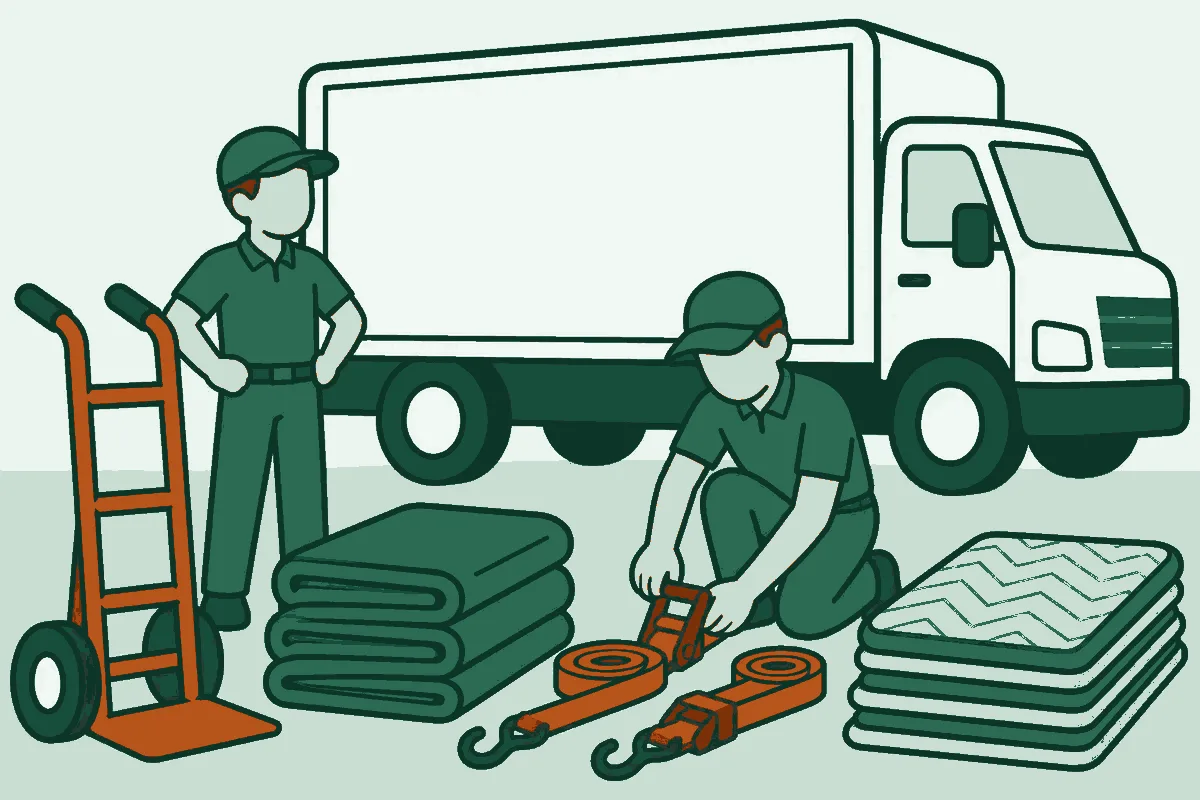
Good equipment saves time and prevents injuries. If your rental does not include it, bring or buy these items before you start.
- A hand truck and a furniture dolly
- Moving blankets or pads, not bedsheets
- Ratchet straps or rope and a few bungee cords
- Stretch wrap for drawers and cushions
- Work gloves, tape and a box cutter
- A ramp if the truck does not have a liftgate
If you do not want to buy equipment, ask whether a labor-only crew brings it. Great Rate Moving crews bring dollies, straps and pads, so you only need the truck.
Load the heavy items first
Load from the back of the truck to the front, and from the floor to the ceiling. Heavy items such as dressers, appliances and mattresses go in first, against the wall behind the cab. Place the tallest pieces on the bottom and keep the weight centered.
Fill the lower half of the truck with large, flat items, then box the upper half with lighter items. Keep the load tight, with no large gaps, so nothing can shift. Place a barrier, such as a mattress, between delicate items and heavy ones.
Strap and secure each layer
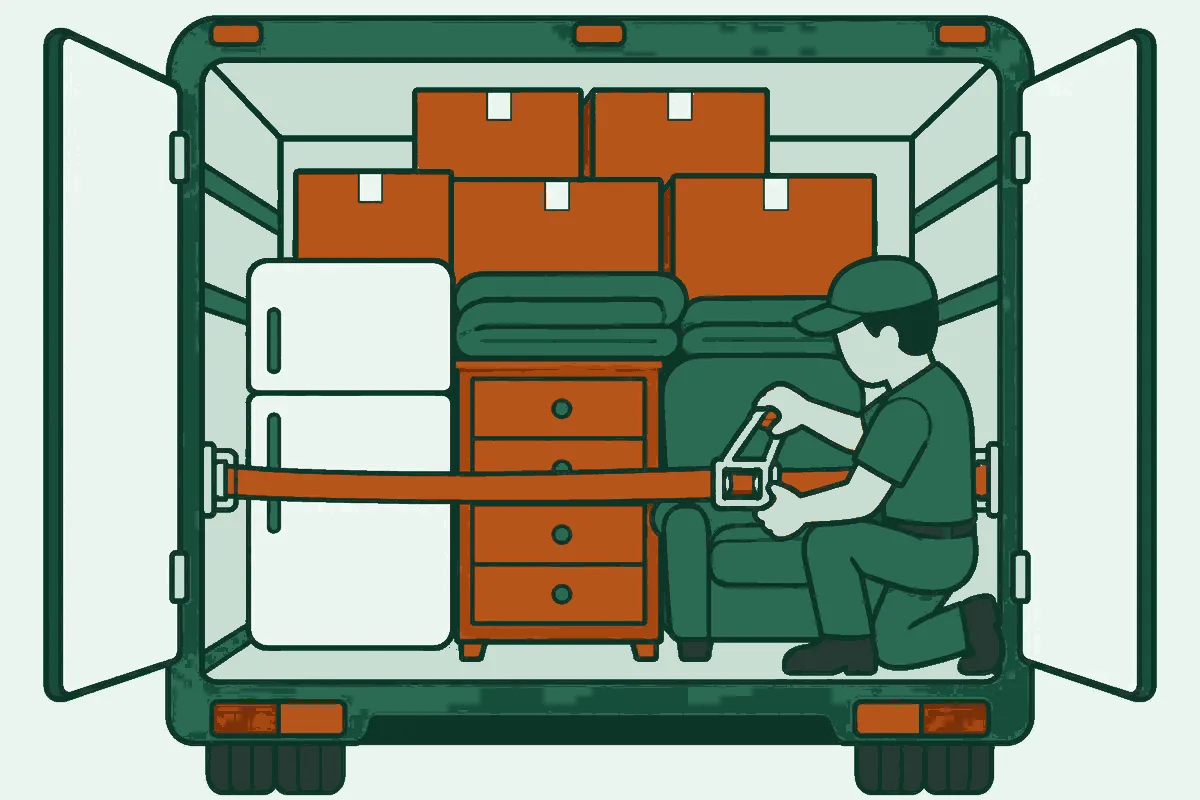
Secure the load in layers. Strap each tier of furniture to the wall of the truck with ratchet straps and fill the gaps with pillows or soft boxes. Place a final strap across the load before the door goes down so nothing leans on it.
Check the strap tension after the first few miles. A load can settle, and loose straps are a common cause of damage. When you unload, remove straps first and watch for items that leaned against the door.
Use a hand truck and protect the path
Use a hand truck for boxes and a dolly for large furniture. Lay down runners on hardwood and carpet, and prop doors open so the crew does not need to hold them. Plan the path from the front door to the ramp and keep it clear of toys, rugs and cords.
On a hill, such as a steep driveway in Sebastopol, use chocks or wedges and set the parking brake. Ask a second person to spot the ramp when the load is heavy.
A simple schedule for loading day
Pick up the truck early and park it as close to the door as the street allows. Spend the first half hour on setup: lay runners, stage boxes by room and open the ramp. Load heavy furniture first, then boxes, then the last items you need in the new place.
Plan breaks, water and a second set of hands. A rental truck usually has a return time, so work backward from it. If the clock is tight, a labor-only crew can load a two-bedroom home in a few hours and give you time to clean and return the keys.
Finally, check the weather. In winter, rain turns driveways slick and a wet floor in the truck is a hazard. Cover the ramp with a runner, keep a towel at the door and tarp any items that cannot get wet.
Know when to hire labor-only help
A rental truck saves money, but loading it is hard work and easy to do poorly. A labor-only crew loads in a fraction of the time, protects your furniture and unloads at the other end. You pay by the hour, not by the move.
Great Rate Moving provides labor-only help at $145 per hour for 2 movers, $190 for 3 and $245 for 4, with a 2 hour minimum. You rent the truck and we handle the load. Learn more about our loading and unloading service.